

A breast pump helps to express and collect breast milk for later use. Pumps vary in their operation, size, suction levels, and accessories. The right choice depends on frequency of use, comfort, ease of cleaning, and appropriate suction power. It's also important to select the correct funnel size and use the device according to the manufacturer's instructions.
What is a breast milk pump?
A breast pump is a device designed to express milk from the breast and collect it in a container. It can be used in various situations during breastfeeding, especially when a mother needs to prepare milk for later use or schedule pumping to fit her daily routine.
Suction devices vary significantly in terms of their mechanism of action, size, suction levels, and the number of parts and accessories, so there is no single device that can be considered the ideal choice for all mothers.
It is important to distinguish between the device's function as a practical aid in expressing and collecting milk and any health problems related to breastfeeding. A breast pump is not a means of diagnosing or treating breastfeeding problems. If you experience persistent pain, bleeding, inflammation, fever, or difficulty feeding your baby, it is advisable to consult a doctor or lactation consultant.
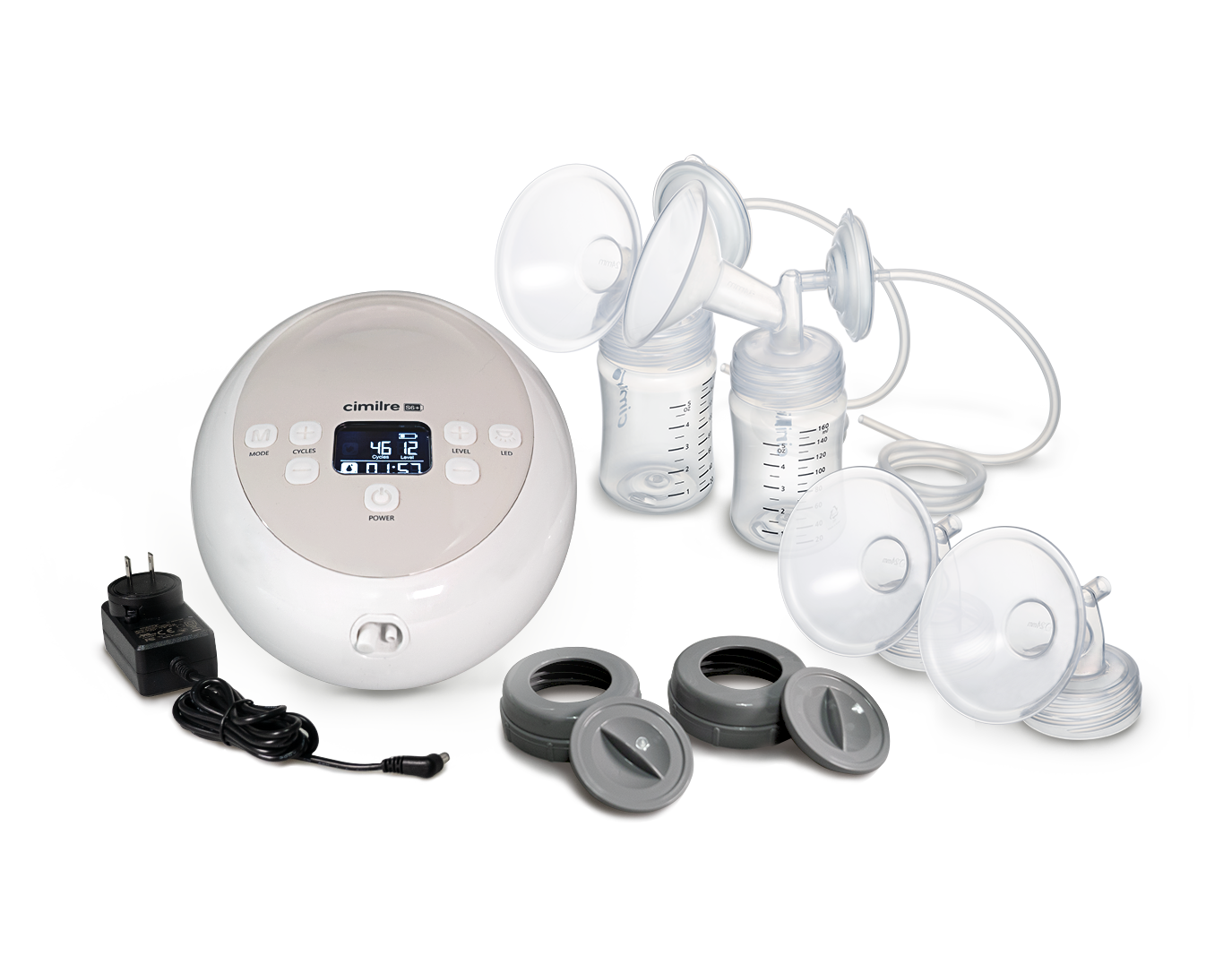
How does a breast pump work?
The milk pump works by creating repeated suction around the breast area through a dedicated funnel, and then the milk is transferred to a collection container connected to the device.
The operating mechanism may vary depending on the type of pump, but typical use includes the following basic steps:
- Wash your hands and prepare the parts that come into contact with the milk according to the manufacturer's instructions.
- Install the funnel, container, and other accessories correctly.
- Place the funnel comfortably on the breast and in the middle.
- Operating the pump and selecting an appropriate level without automatically starting at the highest setting.
- Monitor comfort during use and ensure there is no friction or uncomfortable pressure.
- After completion, separate the parts, handle the milk, and clean the pieces according to the product instructions.
Types of breast milk pumps
Breast pumps can generally be categorized according to their method of operation and use. Understanding the differences between them helps you choose the pump that best suits your routine, rather than relying solely on the pump's appearance or the number of settings.
| What type does it work with? Who might it be suitable for? | ||
| hand pump | It relies on manually moving the handle to create suction. | For those looking for a simple device for limited use or on the go. |
| Single electric pump | It works electrically to pump milk from one side at a time. | Regular use when dual suction is not essential. |
| double electric pump | It allows the pump to be used on both sides simultaneously, depending on the device design. | Those who rely on suction frequently and are looking to organize the time of their suction sessions. |
The most powerful device or the one with the most settings isn't necessarily the best for you. Ease of use, comfort, and a proper fit are just as important as technical specifications.
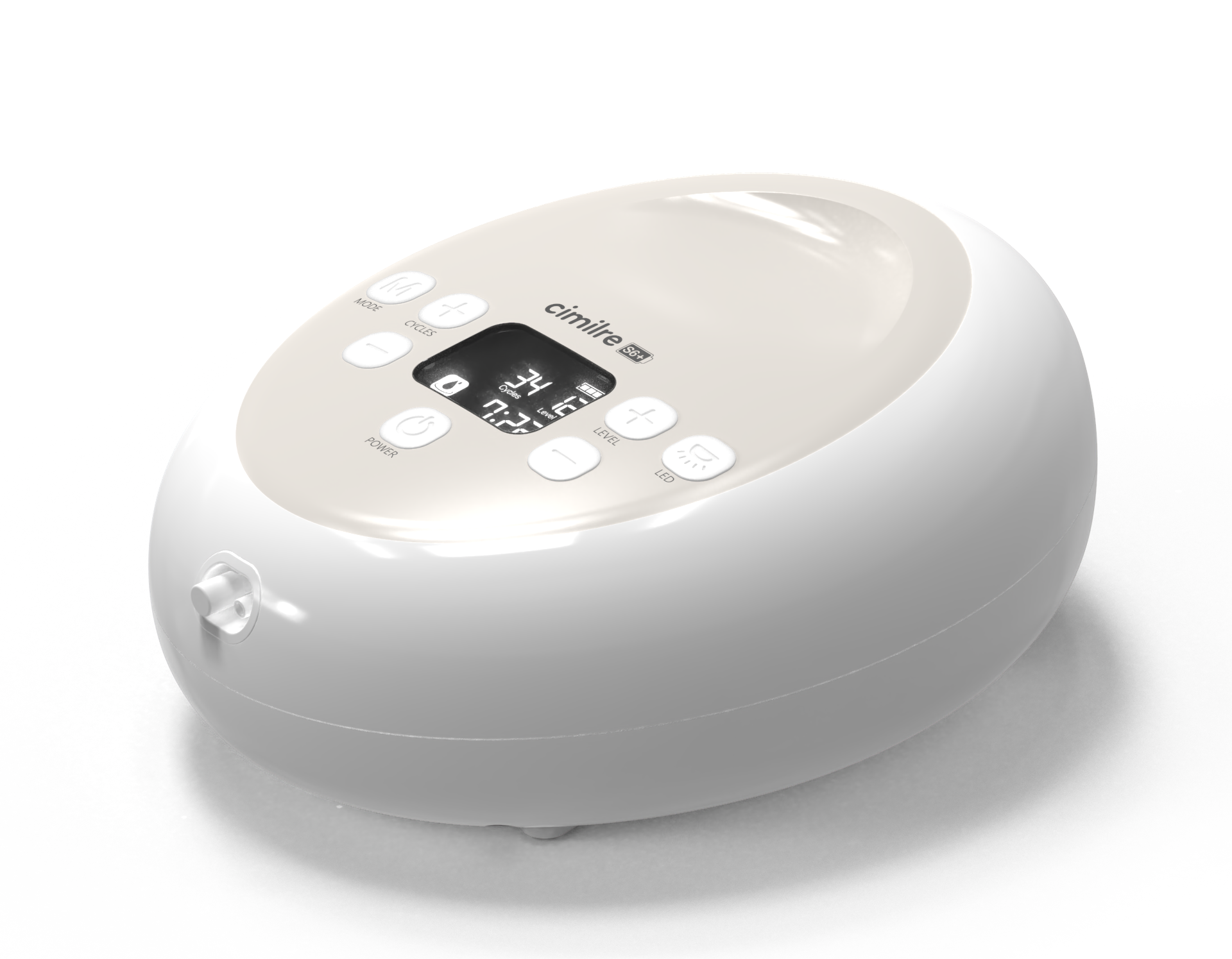
How do you choose the right breast milk pump?
Before choosing a breast pump, it's best to assess how you actually use it. Some mothers only need to pump intermittently, while for others it becomes an essential part of their daily routine.
1. Determine the expected number of uses
If usage is limited, a simple, lightweight, and easy-to-store device may be a priority. However, if suction is a frequent part of the day, ease of assembly and cleaning, speed of operation, and comfort during the session may become more important.
2. Pay attention to the suction levels.
Having multiple suction levels allows for adjusting the setting to suit individual comfort. Suction should not be painful for the device to be effective, so the device's levels should be increased gradually and according to the user instructions.
3. Check the size of the funnel.
The funnel is the part that comes into contact with the breast during suction, so choosing the right size is one of the most important practical details when using the pump.
An incorrect size may cause discomfort or chafing during use. If the problem persists even after checking the fitting and size instructions in the product manual, it is best to consult a lactation consultant rather than trying to endure the discomfort.
4. Check the ease of cleaning and assembling the parts.
When using a pump frequently, the number of parts and how they are disassembled and reassembled become important practical factors. Look for a design that you can easily understand how to assemble, and always follow the manufacturer's instructions for cleaning and caring for each part.
5. Think about where it will be used.
If you plan to use the device outside the home or while at work, size, weight, method of operation, and power source may be factors influencing the choice.
💡 Cimilre Saudi expert tip: Don't choose a breast pump based solely on suction power. Start by determining your daily usage patterns, then compare comfort, available funnel sizes, ease of assembly and cleaning, and how the device is operated. The right device is the one you can use comfortably and practically according to your needs.
The importance of choosing the right breast pump funnel
When searching for a breast milk pump, attention is often focused on the pump itself, while the funnel may be one of the most important parts that affect the user experience.
The funnel should allow for comfortable operation without pressure or uncomfortable friction. Since sizes and designs vary between products, refer to the measurement guide and instructions specific to your pump rather than relying on a one-size-fits-all approach.
If you notice persistent pain, bleeding, or an obvious problem during pumping, stop trying to fix the problem by simply increasing or decreasing the settings, and consult a health professional or lactation consultant to assess the cause.
Single or double pump: what's the difference?
The main difference is that a single pump is typically used with one side at a time, while a double pump allows suction from both sides simultaneously when the device and accessories are designed for that purpose.
The choice isn't necessarily about one type being inherently better, but rather how you'll use it. If you plan on frequent pumping sessions, comparing dual pumps might be beneficial. For less frequent use, other factors like size, simplicity, and portability may be more important.
Common mistakes when using a breast pump
- Start with the highest suction level: The strongest setting isn't necessarily the most suitable. Choose a comfortable level according to the device's instructions.
- Ignore the funnel size: Using an inappropriate size may make the suction experience uncomfortable.
- Incorrect assembly of parts: Any assembly error may affect the operation of the device, so refer to the product manual.
- Neglecting to clean the parts designated for that purpose: Adhere to the manufacturer's instructions regarding cleaning and drying parts that handle milk.
- Consider the pain as something normal to be tolerated: If the pain persists, or if bleeding or unusual signs appear, consult a health professional.
What accessories might you need with the suction device?
Accessories vary depending on the pump design and method of use. They may include funnels of different sizes, milk collection containers, replacement pump parts, and products to help preserve and prepare milk for later use.
Before purchasing any additional part, check its actual compatibility with your pump model. A similar appearance does not always mean the part is suitable or designed to work with the same device.
Is a breast milk pump suitable for every use?
A pump is a tool that helps to draw and collect milk, but it is not a substitute for a health assessment when there is a problem with breastfeeding, the breast, or feeding the baby.
If the purpose of purchasing the device is related to a specific health problem, or if the infant is having difficulty feeding, it is best to discuss the situation with a doctor or lactation specialist before relying on general advice from the internet or on the specifications of a particular device.
Frequently asked questions about breast pumps
Is an electric pump better than a manual one?
Not in all cases. The choice depends on the frequency of use, the location of use, the desired comfort level, and the operating method that best suits your routine. A manual pump may be suitable for limited use, while an electric one may be more practical for regular use.
Does a higher suction level mean better suction?
Not necessarily. It's better to choose a comfortable setting and use the device according to the manufacturer's instructions rather than assuming the highest setting is the right option.
How do I know if the funnel size is suitable?
Consult the pump manufacturer's measurement instructions and monitor your comfort level during use. If you experience friction or persistent pain despite following the instructions, it is advisable to consult a lactation consultant.
Can the accessories of any pump be used with another device?
This should not be assumed. The funnel, packaging, or replacement part must be verified to be compatible with the specific pump model before use.
When should you consult a specialist?
If persistent pain, bleeding, inflammation, fever, or a problem related to infant feeding occurs, contact a doctor or lactation consultant instead of relying on adjusting device settings or self-treatment.
Choose the pump based on your actual needs.
Choosing a breast pump becomes easier when you start focusing on your needs rather than the specifications. Determine how often you'll use it, where you'll pump, and your preferred operating method, then compare the comfort of the pump nozzle, ease of cleaning and assembly, suction levels, and compatible accessories.
You can browse the breast pumps and Cimilre products available at Cimilre Saudi and compare the actual specifications of each device to choose the product closest to your daily needs.