
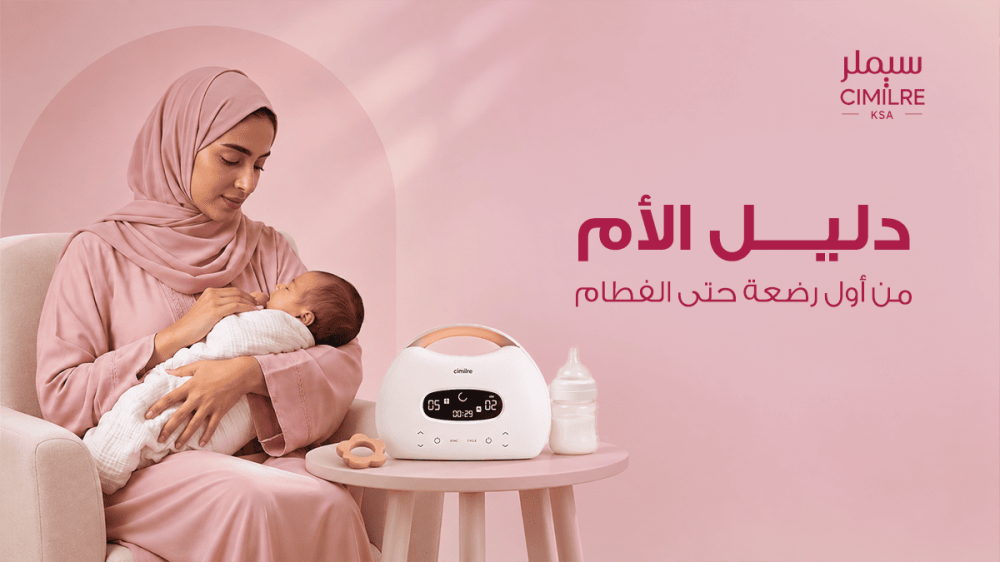
Breastfeeding provides your baby with the nutrition they need in the early stages of life. The World Health Organization recommends exclusive breastfeeding for the first six months, followed by the introduction of appropriate complementary foods until two years of age or older. For a comfortable breastfeeding experience, pay attention to your baby's latch, monitor for signs of adequate milk intake, and seek professional support when needed.
What is breastfeeding and why is it important for your baby?
Breastfeeding is the process of feeding a baby with breast milk, either directly from the breast or using expressed breast milk when needed. It is one of the primary ways to provide the nutrients a baby needs during their early developmental stages.
Breast milk contains nutrients and antibodies that support a baby's health. The World Health Organization highlights the importance of breastfeeding and its role in nourishing infants and protecting them from a number of common diseases.
However, the beginning of breastfeeding is not the same for all mothers; some mothers may need help with breastfeeding positioning, ensuring the baby latches on, or balancing breastfeeding with returning to work.
When does breastfeeding begin and how long does it last?
The World Health Organization recommends starting breastfeeding within the first hour after birth whenever possible, taking into account the health condition of the mother and child and the instructions of the medical team.
The key recommendations include the following:
- From birth to 6 months of age: Exclusive breastfeeding, without adding water or other foods, except when medically necessary.
- From the age of 6 months: Start introducing safe and age-appropriate complementary foods, while continuing breastfeeding.
- Up to the age of two years or older: Breastfeeding can continue alongside complementary feeding.
The World Health Organization provides recommendations for infant and young child nutrition according to different age groups.
If there are special health conditions of the mother or child, the feeding program may need to be modified under medical supervision.
How do you start breastfeeding correctly?
One of the most important steps in starting breastfeeding is helping the baby to latch on well to the breast, while choosing a comfortable position for you and your baby.
- Choose a suitable position: Sit or lie down in a way that supports your back and arms and allows you to hold the baby safely.
- Bring the baby closer to your body: Position his head and body in a symmetrical way and facing the breast.
- Wait until the mouth is fully open: help the baby latch on to the breast deeply instead of just the tip of the nipple.
- Monitor breastfeeding: Pay attention to sucking and swallowing, the baby's comfort, and how much pain you feel.
- Ask for help when needed: If the difficulty in latching or pain persists, a lactation consultant can assess the position and help you adjust it.
Some mothers may need training and support in the early days. Severe or persistent pain should not be considered a normal part of breastfeeding to be endured.
How do I know if my baby is getting enough milk?
One of the most common questions mothers ask is: Is my baby getting enough breast milk?
This cannot be determined solely from the duration of breastfeeding or the mother's perception of breast fullness. Some indicators that the healthcare team can help assess include:
- The child's weight gain and growth are monitored by medical professionals.
- The number of wet diapers and stools should be appropriate to the child's age.
- Note the swallowing during breastfeeding.
- The child's ability to latch on and breastfeed effectively.
- His general condition, activity, and responsiveness.
The Saudi Ministry of Health’s frequently asked questions about breastfeeding address a number of questions related to the amount of milk and the baby’s needs.
If you notice poor breastfeeding, few wet diapers, or inadequate weight gain, contact your pediatrician for evaluation, and don't wait until the problem worsens.
Does a baby need a fixed breastfeeding schedule?
Children's feeding needs vary depending on their age, health, and developmental stage. Therefore, it is important to respond to hunger cues rather than relying on a rigid schedule that doesn't take into account the child's needs.
Early signs of hunger may include turning the head in search of the breast, opening the mouth, or placing a hand near it. Crying, however, may be a later sign of hunger.
In the early days or in cases of special health conditions, the medical team may determine the timing or number of feedings required to ensure the baby receives adequate nutrition.
If your baby sleeps for long periods and does not wake up for feedings, or if you have concerns about the number of feedings, consult your pediatrician for guidance appropriate to your baby's age and condition.
What are the main challenges that a mother may face while breastfeeding?
Some mothers may experience difficulties at the beginning of breastfeeding or during later stages. Dealing with these difficulties depends on identifying the cause rather than trying random solutions.
| The challenge | The appropriate action |
|---|---|
| Difficulty latching onto the breast | Review the baby's position and request an assessment from a lactation consultant. |
| Pain during breastfeeding | Do not ignore persistent pain and assess the method of engorgement. |
| Concern about the amount of milk | Monitoring the child's weight and signs of adequate nutrition. |
| Returning to work | Planning feeding times or pumping and storing milk. |
| Difficulty in regulating feedings | Respond to hunger cues and seek guidance when needed. |
If you develop painful redness in the breast, fever, bleeding, or increasing pain, seek a proper medical evaluation, as some conditions require medical intervention.
Is it possible to continue breastfeeding after returning to work?
Yes, many mothers can continue to provide breast milk after returning to work, either by breastfeeding directly at available times or by pumping and storing milk for later feeding.
The UK's National Health Service (NHS) explains how to express breast milk using the hand or a breast pump, including situations where the mother needs to be away from her baby during certain times of the day.
To plan practically:
- Set specific times when you can breastfeed your baby directly.
- Discuss a suitable pumping plan with a lactation consultant if you need one.
- Make sure there is a suitable place for suction while working.
- Prepare containers specifically for storing milk and a suitable cooling method.
- Follow the instructions for cleaning the pump and storing the milk after each session.
A wearable pump can help some mothers schedule their pumping sessions according to their daily routine. One option available at the store is the Simler T3 breast pump , a single-use, wearable pump powered by a rechargeable battery and controlled via a mobile phone.
Review the device specifications, the size of the appropriate parts, and the instructions for use before making a choice, as suction needs vary from one mother to another.
How can I keep my breast milk safe when I pump it?
If you rely on expressed milk as part of your breastfeeding routine, hygiene and storage methods are essential.
The CDC guidelines for storing and handling breast milk explain the importance of washing hands before pumping, using containers specifically designed for storage, and adhering to appropriate storage times.
When it is necessary to regulate milk quantities during the day, dedicated storage bags can be used, such as Simler milk storage bags with a connector , which allow milk to be collected directly inside the bag when used with compatible devices according to the product instructions.
These products do not replace following hygiene and storage guidelines, and the method of using the accessories depends on their compatibility with the pump.
If you plan to combine breastfeeding with pumping, start by structuring your day around your baby's schedule and your own circumstances, then choose tools that make this routine easier. Don't make buying a pump or increasing the number of pumping sessions your goal; the most important thing is that your baby receives proper nutrition and that you are comfortable throughout the breastfeeding process.
What role does the mother's nutrition and comfort play in the breastfeeding journey?
A breastfeeding mother needs to pay attention to her balanced diet, drink fluids as needed, and get as much rest and support as possible.
There is no single diet that guarantees increased milk production for every mother. If you feel your milk supply is insufficient for your baby, it's best to assess breastfeeding and your baby's health before relying on foods or supplements marketed for this purpose.
Also, family involvement in childcare and daily tasks can give the mother more time to rest and help her cope with the demands of breastfeeding.
Frequently asked questions about breastfeeding
Is breastfeeding alone sufficient for a baby during the first 6 months?
The World Health Organization recommends exclusive breastfeeding for the first six months, without water or additional foods, except in cases requiring special medical guidance.
Does pumping milk mean stopping direct breastfeeding?
No. Direct breastfeeding and expressed breast milk can be combined as needed by both mother and baby. Pumping may be helpful when returning to work or needing to be away from the baby.
Does the amount of milk drawn by the pump fully reflect the mother's milk production?
Not necessarily; the amount withdrawn is affected by multiple factors, and is not sufficient on its own to assess milk production or whether the child is getting his nutritional needs met.
Is it possible to continue breastfeeding after introducing solid foods?
Yes. The World Health Organization recommends introducing appropriate complementary foods starting from 6 months of age, while continuing breastfeeding until 2 years of age or older.
In summary: A breastfeeding journey that suits you and your baby
Breastfeeding is an important part of a child's nutrition in their early years, and the journey begins with understanding their needs, monitoring their growth, and learning the appropriate breastfeeding method.
Whether you are breastfeeding directly or using expressed milk when needed, proper health support and practical organization will help you make decisions that suit your circumstances.
If you need tools to help you organize or store milk pumping, you can explore the breast pumps and feeding accessories available at Cimilre Saudi, compare their specifications and choose what suits your needs.